
Surrogacy after infertility and Asherman’s Syndrome
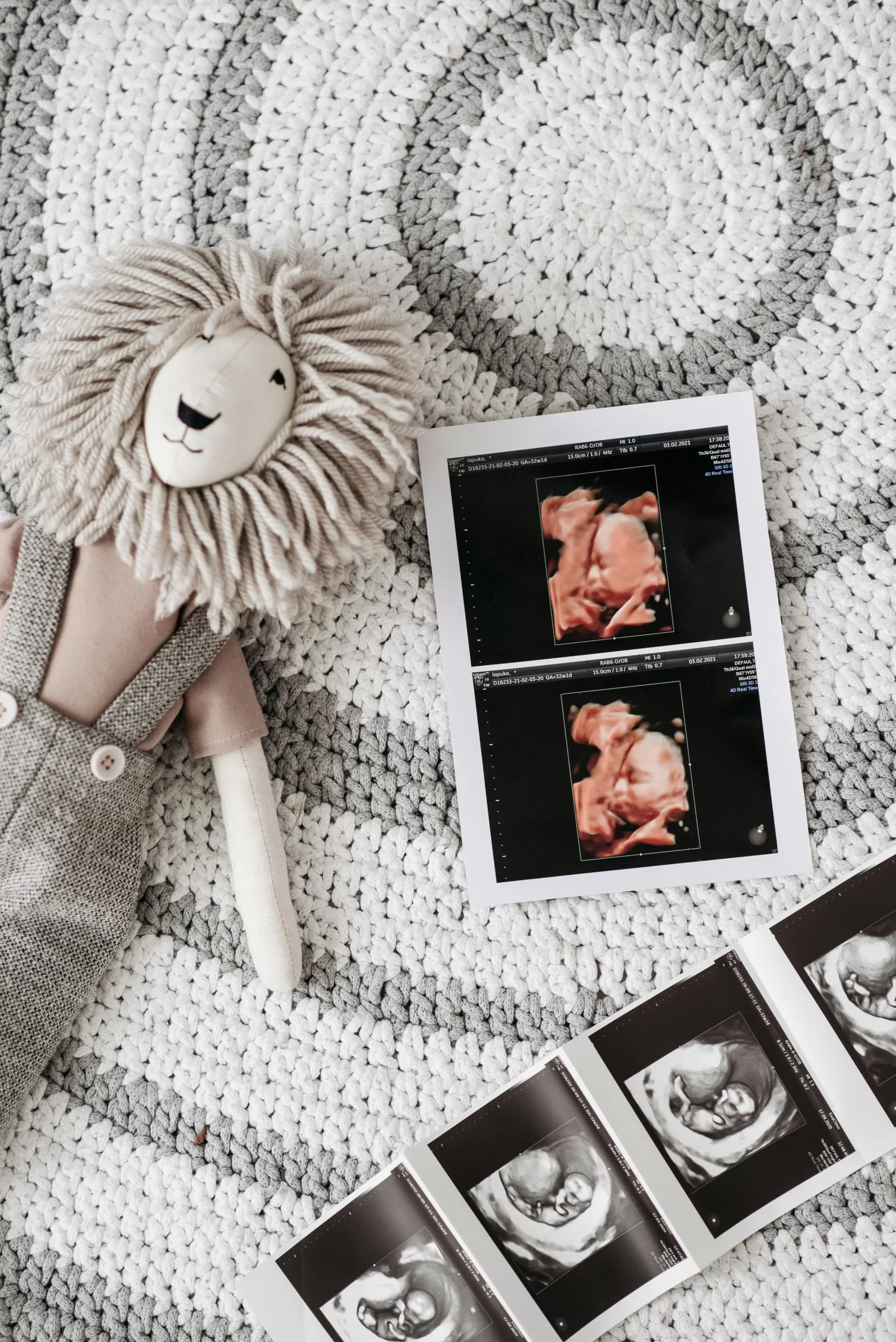
We’re excited to share the latest chapter in our path to parenthood. After facing the heartbreak of our surrogate’s failed pregnancy last October, we’ve taken meaningful steps forward. Last week, we shipped our two remaining frozen embryos along with a semen sample from my husband to the agency. Today, we’re relieved and grateful to confirm they’ve arrived safely.
Stay tuned as we share more about the steps that brought us to this point! We will also be sharing the exciting news of what lies ahead! Your continued support, thoughts, and prayers mean the world to us. Thank you for walking this road with us—together, we’ll keep moving forward! ❤️”Surrogacy after infertility and Asherman’s Syndrome” ❤️
What is Surrogacy?
Surrogacy is a process. During this process a woman, known as a surrogate, carries and gives birth to a child on behalf of another individual or couple. The couple who cannot conceive or carry a pregnancy themselves. There are two main types:
- Gestational Surrogacy: The surrogate carries an embryo created through in vitro fertilization (IVF) using the intended parents’ or donors’ egg and sperm. The surrogate has no genetic connection to the baby.
- Traditional Surrogacy: The surrogate uses her own egg, making her the biological mother, and the sperm of the intended father or donor.
Surrogacy provides a path to parenthood for those facing infertility, medical conditions, or other challenges. This offers others hope and the opportunity to build a family. 💕In my husband’s and I case we turned to “Surrogacy after infertility and Asherman’s Syndrome.”
What is Infertility?
Infertility is the inability to conceive a child or carry a pregnancy to term after 12 months of regular, unprotected intercourse (or 6 months for women over 35). It can affect both men and women and may result from various factors, including hormonal imbalances, structural issues, or unexplained causes. Infertility is a common challenge, but many paths to parenthood, including medical treatments and assisted reproductive technologies, offer hope. 🌱
What has brought us to this point?
After struggling to conceive, I would soon receive the diagnosis of unexplained infertility. Despite trying various treatments which included IVF. I would now be faced with issues of my uterine lining not thickening enough and unexplained fluid in the uterus during transfers. Switching providers revealed scar tissue. Which led to over a year of surgeries to remove it, only for it to return each time. Eventually, this led to the diagnosis Asherman’s Syndrome. Realizing I couldn’t carry a pregnancy myself, my husband and I turned to surrogacy to continue our journey to parenthood. ❤️”Surrogacy after infertility and Asherman’s Syndrome”
https://wandadoty.com/embracing-resilience-on-journey-to-motherhood-update/